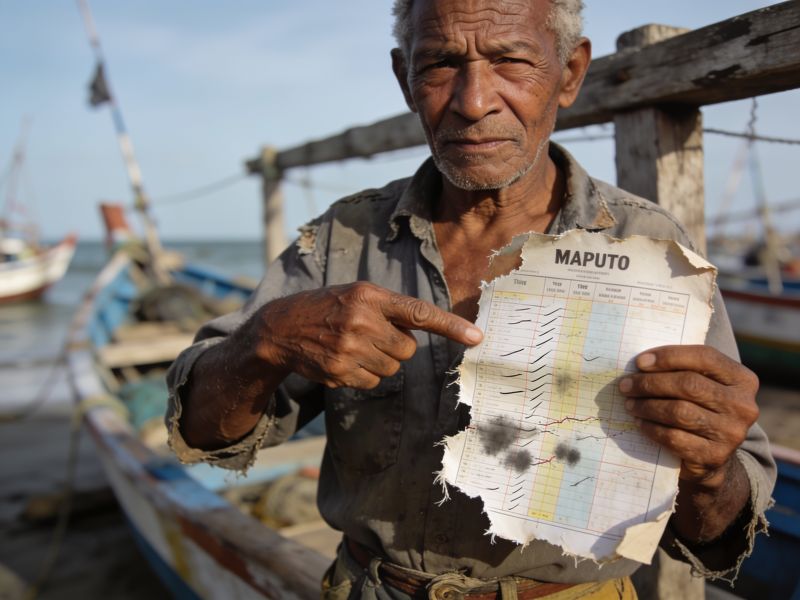
Walk into any high-end boutique in Milan or Paris, and the leather goods on display may carry a label from a storied fashion house. But the hands that assembled them often belong to a less visible lineage. For decades, the name Sarpingidis has circulated quietly among sourcing agents and ateliers—a Greek family enterprise that has supplied fine leathers, hardware, and finished components to some of Europe's most demanding luxury brands. I first encountered the name on a shipping manifest in Piraeus, tucked between invoices for Italian tanneries and German zipper factories. It stood out not for its size。but for its stubborn consistency.The Sarpingidis operation began in the 1960s as a small tannery outside Thessaloniki. By the 1980s。the second generation had pivoted to trading, importing raw hides from East Africa and re-exporting finished skins to Northern Italy. That shift was strategic. Greek labor costs were lower than Italy's, but the real advantage was proximity and cultural fluency. Sarpingidis could negotiate in Greek with Albanian and Bulgarian suppliers, then switch to Italian with buyers in Florence. A former production manager at a Kering-owned brand told me that Sarpingidis was one of the few vendors who could deliver a thousand square meters of vegetable-tanned calfskin in three weeks without a single defect. "They don't advertise," he said. "They just show up with the goods."
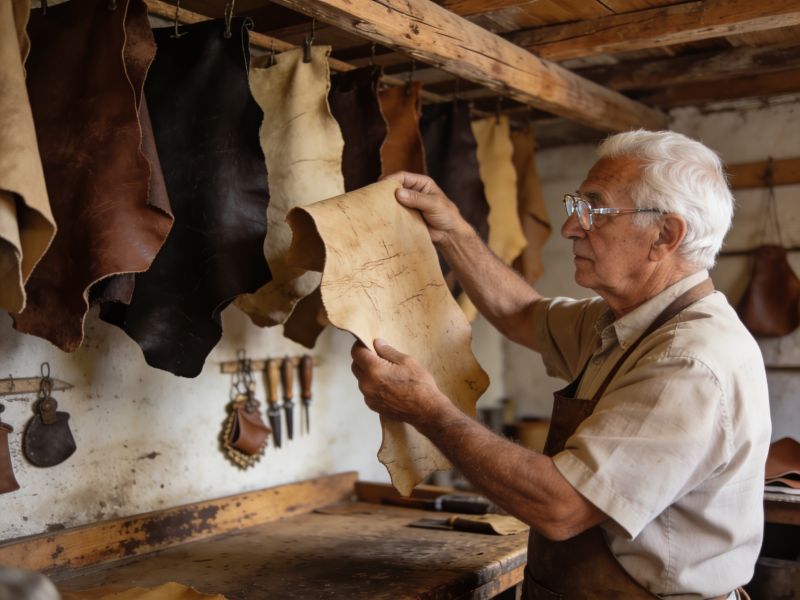
What makes Sarpingidis unusual is its refusal to scale into a conglomerate. While in Turkey and China built sprawling industrial parks, the family kept its finishing workshop in a converted tobacco warehouse near Drama. The floors are uneven. The ventilation is old. But the workers—many of them second- and third-generation—can spot a scar on a hide from two meters away. I watched a cutter named Eleni reject a panel because of a faint stretch mark that no machine would have flagged. "The machine sees pixels," she shrugged. "I see the animal." That kind of tacit knowledge doesn't appear on a balance sheet, yet it explains why Sarpingidis still holds contracts with three of the top ten global luxury groups.Critics argue that the company's low profile is a liability. Younger designers want full traceability and blockchain certificates. Sarpingidis has been slow to digitize. A 2022 audit by an Italian client found that while the leather itself was impeccable, the paperwork was a mess—handwritten ledgers, missing batch numbers。inconsistent dates. The family hired a consultant, but the old guard resisted. "My grandfather knew every farmer by name," one nephew told me. "Why do I need a QR code?" That tension between tradition and modern compliance is now the central drama. Without resolving it, Sarpingidis risks losing the next generation of buyers who care as much about data as they do about grain.Still, I suspect the Sarpingidis model will endure longer than the trend cycles that demand it. Luxury's dirty secret is that true craftsmanship often hides in unglamorous places—a warehouse in northern Greece, a family that answers the phone after three rings. The brand name on the box will never be Sarpingidis. But run your finger along the edge of a hand-stitched bag from a famous French house, and you might feel the ghost of that tobacco warehouse. The family knows this. They don't need a logo. They have the leather.