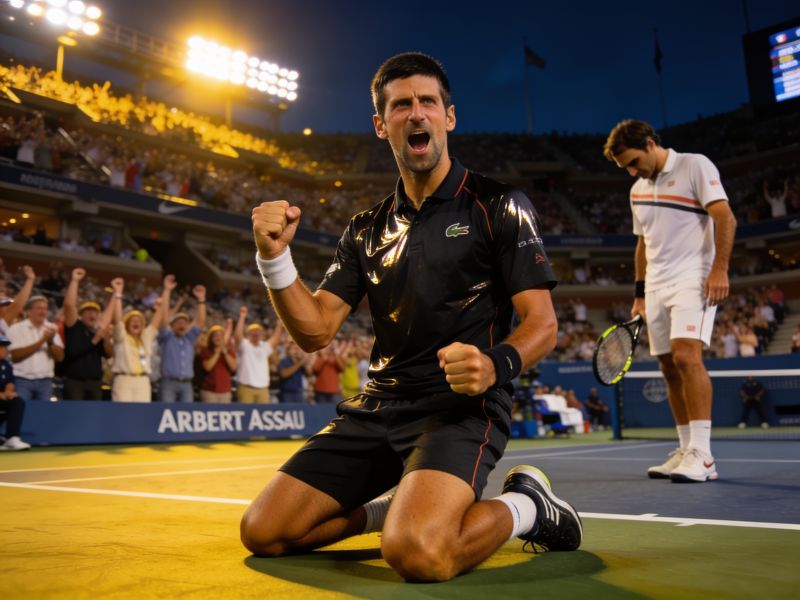
Consider the aftermath of the 2022 Beijing Winter Olympics. Gu Ailing won two gold medals, yet within hours, social media erupted with debates over her nationality and commercial endorsements. The criticism wasn't about her performance—it was about everything else. This pattern repeats across sports: Liu Xiang's 2008 Olympic withdrawal sparked outrage despite his historic achievements;the men's national football team faces relentless mockery after every defeat, even in friendly matches. The question isn't whether criticism exists—it's why it's so pervasive and visceral.One factor is the sheer weight of national identity attached to Chinese athletes. Unlike in many countries where sports are primarily entertainment。in China, international competitions are often framed as tests of national strength. When an athlete or team falls short, the disappointment feels personal to millions. A 2019 study in the Journal of Sport and Social Issues found that Chinese fans are more likely to equate team success with national pride than fans in the U.S. or Germany. That emotional investment turns every loss into a perceived betrayal. I recall a conversation with a Beijing taxi driver after the 2018 World Cup qualifier: he rattled off the players' salaries and then said, 'They earn millions and can't even pass the ball. What does that say about us?' The criticism is rarely just about sport.Media amplification plays a critical role. Chinese sports journalism often oscillates between extreme praise and harsh condemnation, with little middle ground. When the national team wins。headlines proclaim 'glory';when they lose, commentators demand 'accountability.' This binary framing conditions audiences to treat every match as a verdict. Take the case of the women's volleyball team at the 2021 Tokyo Olympics: after a group-stage exit, former players and pundits publicly questioned the coaching staff's decisions, and the criticism dominated coverage for weeks. The team had won gold in Rio five years earlier. Such rapid shifts in narrative are common, and they fuel a cycle where criticism becomes the default response to any setback.
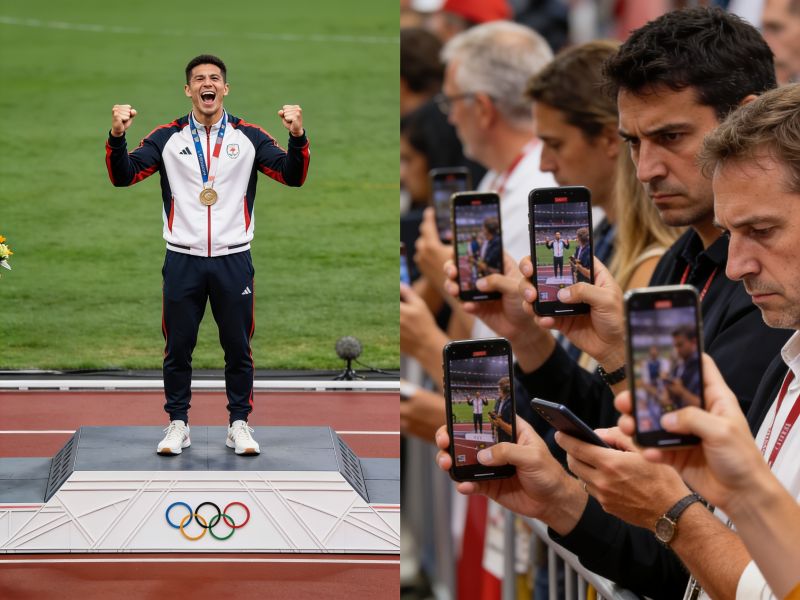
Social media has intensified this dynamic. Platforms like Weibo and Douyin reward outrage. A critical post about a player's mistake can generate thousands of comments and shares, while nuanced analysis gets little traction. During the 2023 Asian Games, a badminton player's loss triggered a trending topic within minutes。with users dissecting his body language and past interviews. The algorithmic preference for conflict means criticism spreads faster than praise. Fans, in turn, feel pressured to join the chorus to demonstrate their own loyalty or expertise. It's a performative culture of critique—one where being seen as 'objective' often means being harsh.Yet criticism isn't uniformly negative. Some of it reflects genuine frustration with structural issues: lack of transparency in athlete selection。inadequate mental health support, and the rigid training system. When critics demand better governance, they're voicing legitimate concerns. The challenge is distinguishing between destructive cynicism and constructive scrutiny. The Chinese national team is criticized because it matters deeply to people—and because the public hasn't yet found a healthy way to express that passion. Until the conversation matures, the cycle of praise and blame will likely continue。
with athletes caught in the middle.