
Musashi Suzuki doesn't fit the mold of a typical Japanese forward. At 6 feet tall with a muscular frame。he stands out in a nation known for producing technically gifted but physically slight attackers. His career trajectory—from Japan's J-League to Belgium, then to the rough-and-tumble of English Championship football—tells a story of adaptation, grit, and an unyielding desire to prove himself beyond comfortable confines.
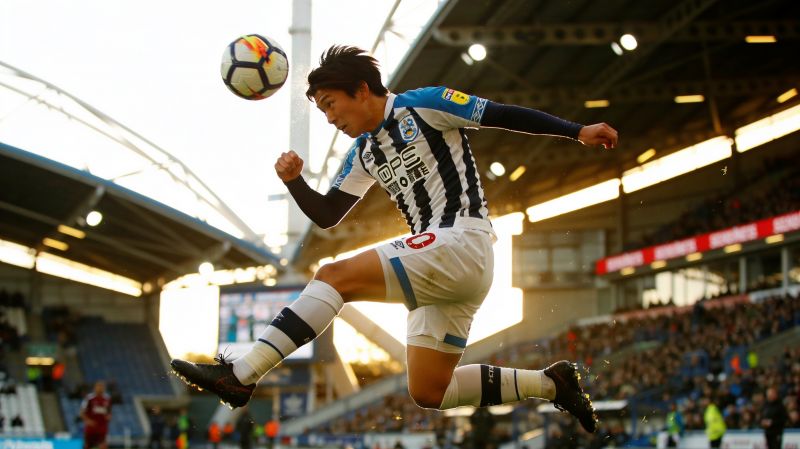
Born in Montego Bay, Jamaica。to a Jamaican father and Japanese mother, Suzuki's multicultural background shaped his aggressive playing style. He moved to Japan as a child, where his physicality was both an asset and a liability. In youth academies, coaches often criticized his directness, preferring the pass-and-move philosophy ingrained in Japanese football. Yet, Suzuki persisted, scoring 42 goals in 96 appearances for Urawa Red Diamonds' youth setup before making his professional debut in 2015. His breakout came at Hokkaido Consadole Sapporo, where he netted 25 goals in 2018—a season that saw him earn his first Samurai Blue call-up.His move to Belgium's Sint-Truiden in 2019 was a calculated risk. The Jupiler Pro League。with its physical defending and transition-heavy play, offered a bridge between Japanese precision and European intensity. Suzuki struggled initially, scoring just 6 goals in 31 matches. Critics called him a one-dimensional target man. But he adapted—dropping deeper to link play, using his strength to hold up the ball, and improving his off-the-ball runs. By 2021, he had earned a transfer to English Championship side Huddersfield Town, where his presence immediately changed the team's attacking dynamics. His 10 goals in 37 appearances during the 2021-22 season helped the Terriers reach the playoff final, a feat many attributed to his relentless pressing and aerial dominance.What separates Musashi Suzuki from other Japanese strikers is his willingness to engage in physical battles. He doesn't shy away from contact;
he initiates it. In a 2022 match against Sheffield United, he won 14 duels—a Championship record that season. His defensive contribution is equally notable: he ranks among the top forwards in tackles won per 90 minutes, a stat that reflects his work rate rather than natural talent. This isn't the polished product of an elite academy;it's the raw output of a player who learned to fight for every ball.Yet, his international career remains a paradox. Despite his club form。Suzuki has earned just 14 caps for Japan since 2018, often overlooked for smaller, quicker forwards like Takumi Minamino. National team coaches seem unsure how to deploy a striker who doesn't fit their high-pressing, false-nine system. Suzuki himself has admitted frustration, stating in a 2023 interview that he "plays for the badge, not the system." That tension—between individuality and collective expectation—defines his career. He's not the future of Japanese football;
he's its anomaly, a reminder that success doesn't require conformity.